Does Cardamom Reduce Inflammation? What Science Actually Says
Chronic inflammation is increasingly linked to many modern health concerns, encouraging people to explore safer, diet-based solutions. One common question is: Does Cardamom Reduce Inflammation? Its cardamom anti-inflammatory properties and role in natural remedies for inflammation have gained growing attention. Widely used in traditional diets, cardamom is now being examined through scientific research to understand its true potential. This article reviews current evidence, focusing on verified findings rather than exaggerated claims, and helps readers make informed decisions about incorporating cardamom into daily wellness routines.
What Is Inflammation and Why It Matters
Inflammation is the defense mechanism in the body to injury, infection or bad stimuli. Acute inflammation is beneficial in that it boosts blood circulation and the immune response. However, chronic inflammation is long-term and may destroy tissues. It relates to arthritis, heart disease and metabolic disorders. Physicians may be tracking such signs of inflammation as C-reactive protein. Since long-term inflammation impacts general health, the natural anti-inflammatory foods and lifestyle adaptations are widely chosen by the people to help them lessen the burden of inflammation.
What Compounds in Cardamom May Affect Inflammation?
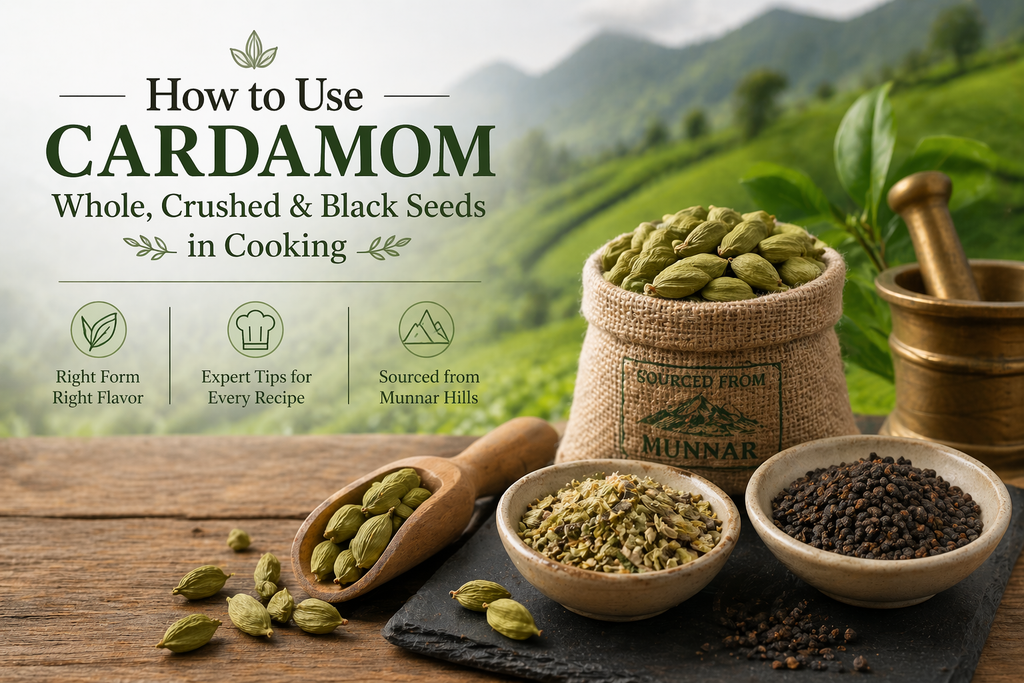
Cardamom contains bioactive compounds that contribute to its therapeutic value and overall cardamom health benefits. Flavonoids help neutralize free radicals, terpenes support immune balance, and phenolic compounds provide strong antioxidant protection. These elements explain the antioxidant properties of cardamom, which may help reduce inflammatory responses. While black cardamom is valued for its smoky flavor, research focuses mainly on green varieties due to stronger antioxidant content and proven relevance. These green cardamom benefits make it a preferred choice for wellness-focused diets.
Does Cardamom Reduce Inflammation? What Research Says
Scientific interest in cardamom has been on the rise with research investigating its use in the control of inflammation. Laboratory and human research evidence proposes possible anti-inflammatory properties with decreased oxidative stress and enhanced markers of inflammation. Although the results seem to be promising, the results are inconsistent, and further clinical trials are required to validate the effectiveness of cardamom in the long-term management of inflammation.
Laboratory Studies
Controlled experiments show notable anti-inflammatory effects of cardamom, including reduced activity of inflammatory enzymes and signaling molecules. These cardamom extract studies demonstrate suppression of pathways linked to oxidative stress and tissue damage. However, laboratory findings do not always translate directly to human outcomes, requiring further clinical research.
Human Studies
Small clinical trials examining cardamom and inflammation study outcomes report modest CRP reduction and improvements in key inflammation markers, including IL-6. Participants also showed better antioxidant status. Limited sample sizes and short durations restrict broader conclusions, so results should be viewed as supportive evidence rather than definitive clinical proof.
Metabolic Inflammation Link
Obesity and metabolic syndrome often involve metabolic inflammation, increasing long-term disease risk. Early findings suggest cardamom for metabolic health may support improved lipid balance, glucose regulation, and reduced oxidative stress. Combined with a healthy diet and exercise, cardamom may help manage inflammation linked to metabolic disorders and support overall wellness.
How Cardamom May Work in the Body
To determine the mechanisms through which cardamom reduces inflammation levels, it is important to start by looking at how it protects the cells. Its bioactive constituents assist in reducing oxidative stress which is a major cause of inflammatory activity within the body. Cardamom also assists in antioxidant enzymes which protect tissues against damage and aid in regulation of inflammatory signaling pathways. Being a natural anti-oxidant spice, it enhances balance and immunity in cells. In a consistent and moderate diet, cardamom can lead to decreased inflammation and well-being overall due to its mild and protective effects.
How Much Cardamom Is Needed for Anti-Inflammatory Effects?
Studies indicate that cardamom dosage for inflammation ranges between 1.5-3 grams per day in order to aid the possible anti-inflammatory effects. This is larger than the normal culinary practice, which involves the addition of 1-2 pods per meal or beverages. Understanding how to use cardamom daily in tea, spice blend, and cooking methods enables consumers to achieve stable results which require ongoing consumption. Cardamom becomes safe for use when people maintain recommended therapeutic dosages, but higher amounts may result in digestive issues. The most effective way to maintain health while reducing side effects requires people to consume moderate amounts of food on a regular basis.
Who May Benefit From Cardamom?
Cardamom may offer natural support for inflammation when the sufferer has mild chronic inflammation, metabolic syndrome or is sensitive to the digestive system. It can also be used to contribute cardamom for joint health by supporting mobility and comfort. Cardamom can also be eaten as a combination with foods rich in nutrients to ensure general well-being as a part of an anti-inflammatory diet. It is not a substitute of prescribed medication but an adjunctive dietary element that can be beneficial in the management of inflammation under the circumstances of medical guidance and healthy lifestyle habits.
Quality Matters: Why Source Impacts Effectiveness
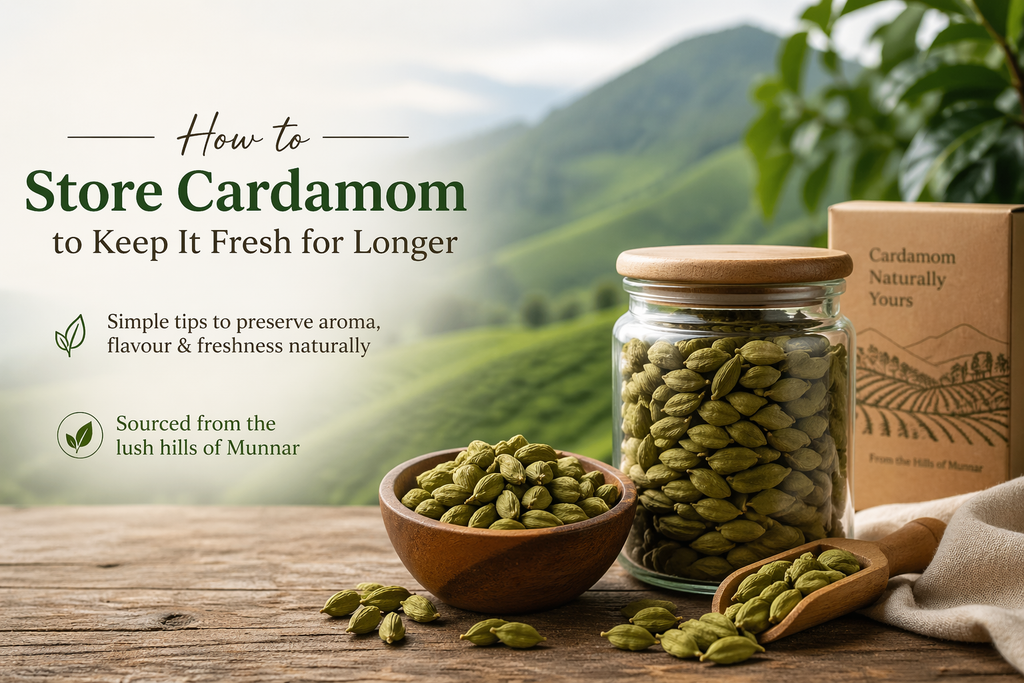
Cardamom’s effectiveness depends heavily on freshness and handling. Its volatile oils degrade over time when exposed to heat, moisture, or air, reducing aroma and therapeutic value. Choosing premium green cardamom ensures higher oil content and potency. Proper storage in airtight containers preserves flavor and benefits, while selecting pure cardamom pods without additives maintains authenticity. Cardamo Naturals cardamom is carefully sourced and processed to retain freshness, offering consistent quality for both culinary use and wellness-focused diets.
Conclusion
So, Does Cardamom Reduce Inflammation? Current research suggests moderate yet promising results. Studies highlight cardamom anti-inflammatory benefits, including reduced oxidative stress and improved inflammation markers, though larger clinical trials are still needed. When used consistently in a balanced diet, cardamom may provide gentle, natural inflammation support alongside healthy lifestyle practices. Choosing fresh, high-quality cardamom helps maximize its potential benefits. Cardamo Naturals provides high-quality cardamom that is carefully sourced to ensure purity, aroma, and consistent freshness.
Buy online now from Cardamo Naturals for premium cardamom, unmatched freshness, rich aroma, and superior quality that enhances wellness and elevates every dish.