How to Use Cardamom for Digestion: Simple Home Remedies
Digestive discomfort like bloating, acidity, and indigestion is common in everyday life. Many households look for natural ways to support stomach health using traditional kitchen ingredients. How to use cardamom for digestion is widely discussed because this aromatic spice has long been valued for its digestive properties. Cardamom contains natural compounds that may help stimulate digestion and reduce stomach discomfort. From chewing pods after meals to preparing herbal drinks, there are several easy home remedies people use. Understanding these simple methods helps individuals include cardamom in daily food habits to support healthier digestion naturally.
Why Cardamom Is Good for Digestion
Cardamom is well known for supporting digestive health because it contains natural oils that help stimulate digestive activity. The digestive benefits of cardamom help improve the breakdown of food and support smoother digestion after meals. Its aromatic compounds may reduce gas formation, relieve stomach discomfort, and promote digestive balance. Among spices, cardamom is also frequently mentioned in traditional wellness systems. Regular use in cooking or simple remedies can help people enjoy better digestive comfort while also enhancing the aroma and flavour of their meals.
Digestive Problems Cardamom May Help With
Cardamom has traditionally been used to help relieve several digestive problems. Many people use cardamom for bloating because the spice may help reduce gas buildup and ease stomach pressure after heavy meals. It may also support digestion by stimulating digestive juices, which helps reduce indigestion. Some people also use it for mild acidity because it may help calm the stomach. In addition, cardamom has a soothing aroma that may help relieve nausea and promote digestive comfort after oily or spicy meals.
Bloating and Gas
Bloating and gas are common when food is not properly digested in the stomach. Using cardamom for bloating may help reduce gas formation and relieve stomach heaviness after meals. Cardamom contains natural oils that support digestive movement and help release trapped gas. Many people chew cardamom seeds or add the spice to warm drinks to promote easier digestion and overall stomach comfort.
Indigestion
Indigestion often causes discomfort, heaviness, and slow digestion after eating. Many traditional remedies recommend cardamom for indigestion because the spice may help stimulate digestive juices that assist in breaking down food. This process supports smoother digestion and may reduce the feeling of fullness. Consuming small amounts of cardamom after meals may help improve digestive efficiency and support stomach comfort.
Acidity
Acidity can cause stomach discomfort and heartburn, especially after spicy or oily meals. Many people use cardamom for acidity because the spice may help balance stomach acids and soothe digestive irritation. Its calming properties help relax the digestive system and support stomach comfort. Moderate use may help reduce mild acid discomfort while supporting natural digestion.
Nausea
Nausea may occur due to digestive upset or heavy meals. The soothing properties of cardamom may help reduce stomach discomfort and support relaxation of the digestive system. Traditional remedies also suggest using cardamom for digestive discomfort because it may help ease nausea linked to digestion issues. Chewing cardamom seeds or adding them to warm drinks may help calm the stomach.
Simple Home Remedies Using Cardamom for Digestion
Cardamom can be used in several simple home remedies that support digestive comfort. Many households rely on cardamom home remedies for digestion because they are easy to prepare using ingredients commonly found in the kitchen. These remedies often combine cardamom with natural ingredients such as ginger, honey, or fennel. These combinations may help reduce bloating, support digestive movement, and improve stomach comfort. Adding these remedies to daily routines may help people maintain better digestive balance while enjoying the aroma and flavour of cardamom.
Chewing Cardamom After Meals
Chewing cardamom after meals is a traditional practice in many households. This habit releases aromatic oils from the seeds that help stimulate digestion and support stomach comfort. Using cardamom seeds for digestion may help reduce gas formation and ease heaviness after eating. This simple remedy is easy to follow and may also help freshen breath naturally while supporting digestion.
Cardamom Tea for Digestion
Cardamom tea is a warm herbal drink commonly used to support digestive health. Drinking cardamom tea for digestion may help calm the stomach and reduce bloating after meals. The warmth of the drink helps stimulate digestive activity and allows the body to process food more smoothly. Many people also add ginger to improve both flavour and digestive support.
Cardamom and Ginger Digestive Drink
Combining ginger and cardamom creates a powerful digestive drink often used after heavy meals. Ginger and cardamom for digestion work together to support digestive movement and reduce stomach discomfort. Ginger helps stimulate digestion, while cardamom may reduce gas buildup. This natural combination is commonly used to relieve nausea and support digestive balance.
Cardamom Powder with Honey
Mixing cardamom powder with honey is another simple digestive remedy used in many homes. Cardamom and honey for digestion create a soothing mixture that may help calm mild acidity and stomach discomfort. Honey provides a gentle soothing effect, while cardamom supports digestive activity. Consuming this mixture in small amounts may help improve digestive comfort.
Cardamom and Fennel Seeds Digestive Mix
A mixture of fennel seeds and cardamom is often served after meals in many households. Fennel seeds and cardamom for digestion work together to support digestion and reduce gas formation. Fennel helps relax the digestive tract, while cardamom stimulates digestive activity. This combination is widely used as a natural after-meal digestive aid.
Best Time to Use Cardamom for Digestion
Using cardamom at the right time can improve its digestive benefits. Understanding when to take cardamom for digestion helps individuals use the spice more effectively for stomach comfort. Many people consume cardamom after heavy meals to support digestion and reduce bloating. It can also be useful after oily or spicy foods that may cause stomach discomfort. Some people also take cardamom before bedtime when they feel digestive heaviness. Regular but moderate use helps prevent digestive irritation.
How Cardamom Is Used in the Indian Diet
Cardamom is widely used in Indian cuisine and beverages. Cardamom in Indian cooking appears in tea, rice dishes, desserts, and spice blends that add flavour and aroma. Many households consume these foods regularly, which naturally includes the digestive benefits of cardamom. When used in everyday cooking, people can enjoy the benefits of this spice without taking it as a special remedy. Because of its pleasant flavour and fragrance, cardamom has remained an important ingredient in Indian cuisine for centuries.
Tips for Using Cardamom for Digestive Health
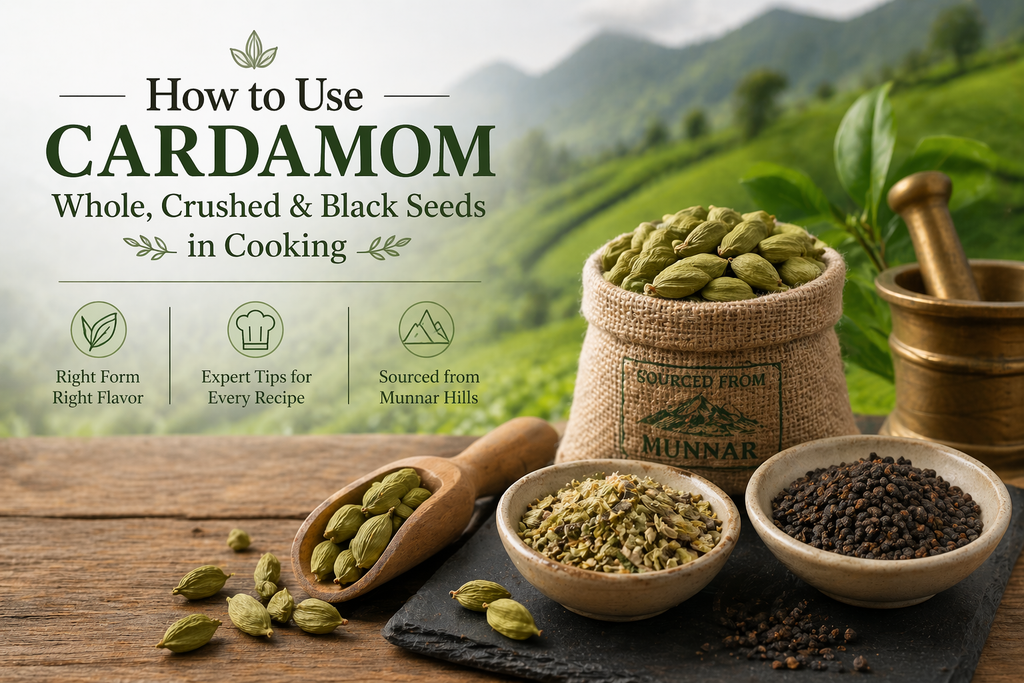
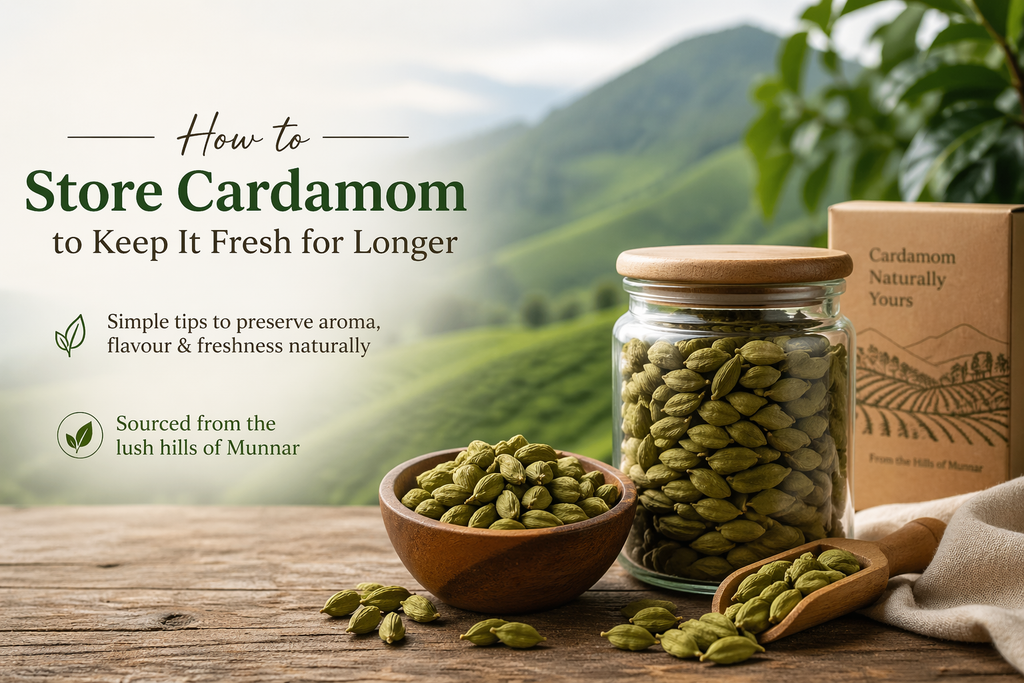
Using cardamom correctly helps people gain the maximum digestive benefits from this spice. To understand how to use cardamom for digestion, it is best to use fresh pods and grind them before adding them to food or beverages. Crushing the pods releases natural oils that support digestion. Cardamom should also be stored in airtight containers to maintain freshness and aroma. Using the spice in moderate amounts allows people to enjoy its flavour while supporting digestive comfort in meals and natural remedies.
Are There Any Side Effects of Cardamom?
Cardamom is generally safe when consumed in normal food quantities. However, excessive consumption may sometimes cause mild stomach discomfort. Understanding cardamom side effects helps individuals use the spice safely while enjoying its benefits. People with certain medical conditions may need professional advice before using herbal remedies regularly. When consumed in moderate amounts through food or beverages, cardamom usually does not cause any issues.
Conclusion
Cardamom has long been valued as a natural spice that supports digestive comfort. Cardamom for digestion benefits include helping reduce bloating, indigestion, and mild acidity through simple kitchen remedies. Including cardamom in daily meals, herbal drinks, or after-meal practices may support smoother digestion and overall stomach wellness. High-quality cardamom such as 7MM Cardamom offers stronger aroma and better flavour, making it ideal for cooking and digestive remedies. Cardamo Naturals provides carefully selected cardamom that supports both taste and natural digestive wellness in everyday food habits.
Buy online now from Cardamo Naturals and experience premium cardamom that delivers rich aroma, powerful digestive support, and authentic spice quality for your kitchen.